


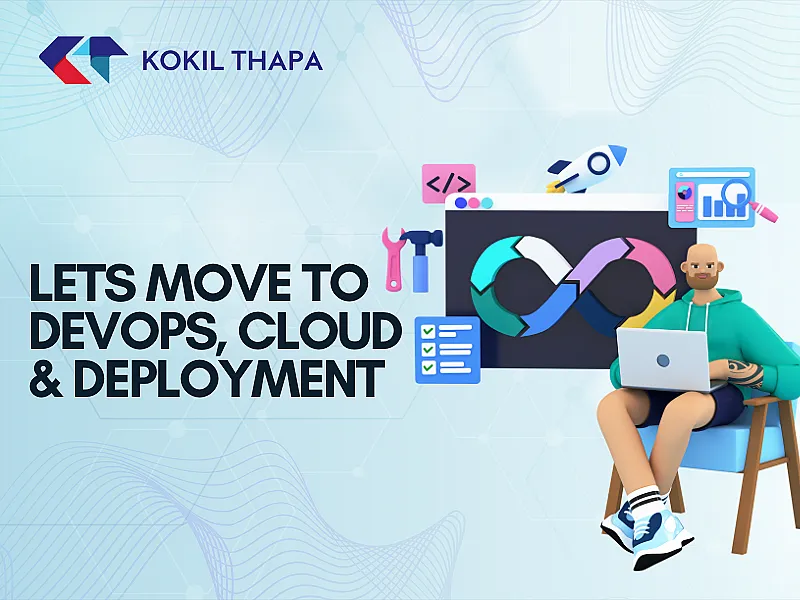
DevOps, cloud computing, and modern deployment practices are essential components of today’s software engineering ecosystem. As digital products grow more complex and user expectations increase, developers must build systems that are fast, reliable, scalable, and easy to maintain. This category is designed to provide in-depth insights, practical tutorials, and real-world engineering strategies focused on DevOps workflows, cloud architecture, automation, CI/CD pipelines, infrastructure management, and modern deployment methodologies.
The shift toward cloud-native systems has transformed how software is built and delivered. Developers are no longer writing code in isolation—they are managing distributed systems, automated workflows, containerized environments, and continuous deployment processes. In this section, you’ll learn about the tools, technologies, and architectural decisions that define high-performing engineering teams. From AWS to DigitalOcean, Docker to Kubernetes, GitHub Actions to Terraform, the articles here break down complex topics into clear and actionable guides suitable for both beginners and advanced engineers.
A major focus of this category is DevOps culture, a modern engineering philosophy that bridges the gap between development and operations. Rather than working in isolated environments, DevOps encourages collaboration, automation, continuous monitoring, and shared responsibility. You’ll explore core DevOps principles, workflow optimization techniques, incident management, observability practices, and strategies for reducing deployment friction. Whether you're working solo or in a large engineering team, these insights help you create a more efficient and predictable development process.
Cloud computing is another essential pillar covered in depth. Articles explore the fundamentals of cloud infrastructure, virtual machines, container orchestration, serverless computing, load balancing, auto-scaling, and cloud security. You’ll learn how to design resilient architectures on platforms like AWS, Google Cloud, Azure, and DigitalOcean. Whether you're deploying SaaS platforms, e-commerce solutions, APIs, or enterprise applications, you’ll gain the knowledge needed to build scalable and cost-efficient cloud systems.
Deployment workflows have also evolved significantly in the past decade. Gone are the days of manual FTP transfers and unpredictable production pushes. Today’s deployments rely on automation and repeatability. This category provides detailed tutorials on configuring CI/CD pipelines, setting up automated tests, handling zero-downtime deployments, managing environment variables securely, and using tools like GitHub Actions, GitLab CI, Jenkins, and CircleCI. These guides help developers ship code faster, with fewer errors, and with complete confidence.
Monitoring and observability are also crucial aspects of running applications in production. You’ll learn how to use modern tools like Prometheus, Grafana, New Relic, Sentry, and Laravel Telescope to track errors, performance metrics, logs, uptime, and user behavior. Understanding these metrics helps developers prevent outages, resolve bottlenecks, and optimize performance in real time.
This category also highlights infrastructure-as-code (IaC), a revolutionary approach that allows developers to manage cloud resources using configuration files instead of manual setup. Tutorials on Terraform, Pulumi, and AWS CloudFormation provide step-by-step implementation strategies for creating consistent, version-controlled, and scalable environments.
Security, often overlooked in deployment workflows, is another major focus here. You’ll find best practices for securing CI pipelines, encrypting secrets, managing access control, hardening servers, and protecting APIs from unauthorized access. These security guides ensure that your applications are not only fast and scalable, but also safe from modern threats.
Overall, the DevOps, Cloud & Deployment category is designed to elevate your engineering skills, helping you build professional-grade applications that meet modern standards. Whether you're deploying small projects or managing complex distributed systems, this section provides the tools and knowledge needed to operate confidently in production environments.
For readers seeking expert-level insights grounded in real-world experience, you can also learn from an experienced web developer in Nepal who has worked extensively with modern cloud stacks, backend systems, and scalable application deployments.
DevOps, Cloud & Deployment's Blogs
September 10, 2026
13 min read
Spacelift vs Terraform Cloud
Spacelift vs Terraform Cloud compared for 2026: pricing, OpenTofu support, policy engines, drift detection, and when each IaC platform fits your team.
September 10, 2026
12 min read
Atlantis: Pull-Request Automation for Terraform
Atlantis pull-request automation for Terraform runs plan on every PR and apply after merge, keeping infrastructure changes reviewable and auditable.
September 10, 2026
12 min read
Terraform Provider Aliases for Multi-Cloud
Terraform Provider Aliases for Multi-Cloud let one root module talk to AWS, Azure, and GCP in a single plan—here is how to configure, pass, and avoid the usual mistakes.
September 10, 2026
14 min read
Azure-to-GCP Connectivity Explained
Azure-to-GCP connectivity explained with VPN, Partner Interconnect, routing, and troubleshooting steps for production multi-cloud workloads in 2026.
September 09, 2026
13 min read
Reduce Docker Image Size: Best Practices
Reduce Docker image size with multi-stage builds, slim bases, layer caching, and CI size gates to cut deploy time, registry cost, and attack surface.
September 09, 2026
13 min read
Multi-Stage Docker Builds for Small Images
Multi-stage Docker builds for small images split compile and runtime stages so you ship only binaries and assets, not build tools.








